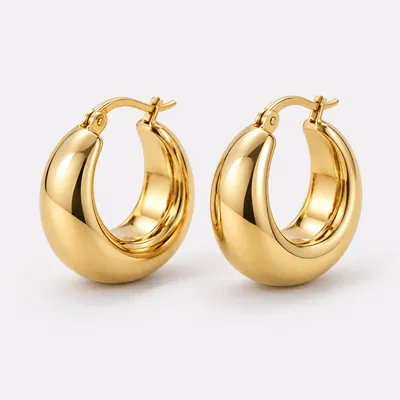
How to Clean Earrings Without Ruining the Finish

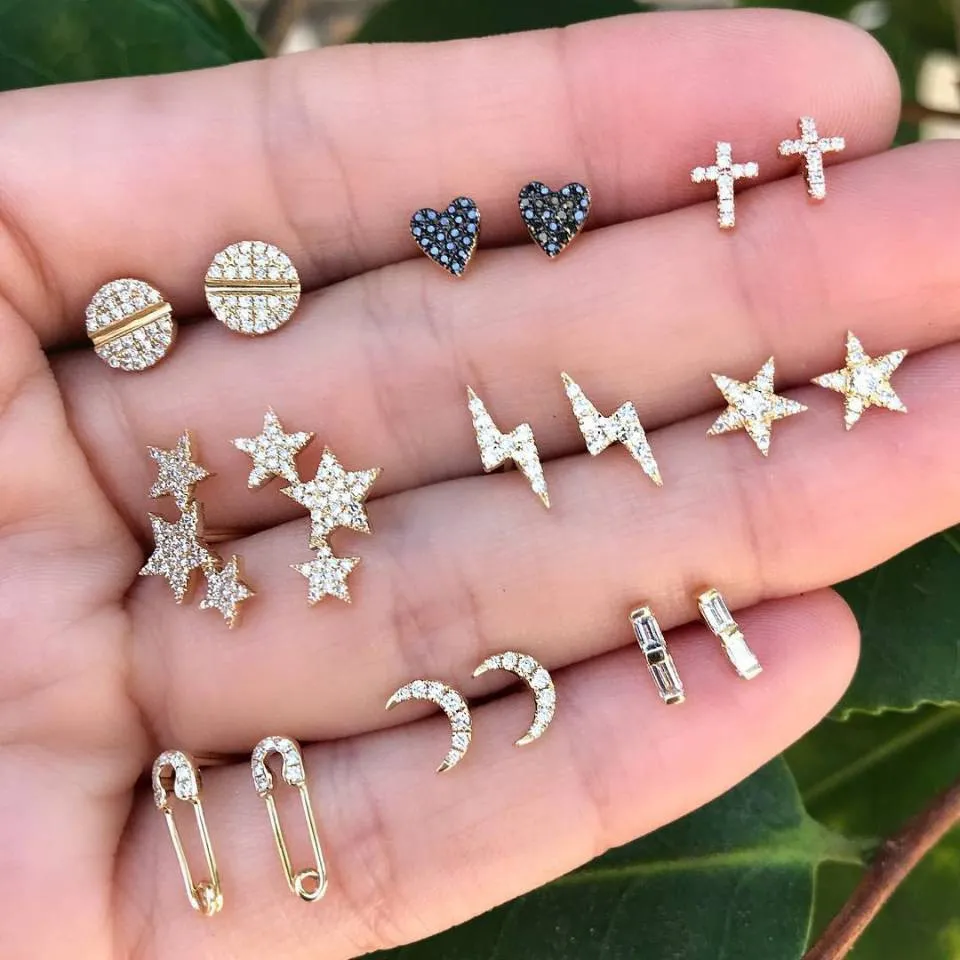
To clean most earrings, swish them in a bowl of warm water with a drop of mild dish soap, brush gently with a soft toothbrush, rinse, and pat them completely dry. That method is safe for gold-tone, silver-tone and plated fashion earrings, which are the kind most people own. Skip polishing cloths, toothpaste and long soaks, which can wear through the thin colored surface.
Below you’ll find the step-by-step method, how to clean the posts, hooks and backs that touch your skin, which materials need extra care, and how to store earrings so they stay bright longer.
Key Takeaways
- Warm water, a drop of mild dish soap and a soft toothbrush are enough for nearly all earrings. Dry them fully afterwards.
- Plated and fashion earrings should not be rubbed with polishing cloths, toothpaste or baking soda. These can wear off the surface layer.
- Earrings with glued rhinestones, faux pearls or enamel should be wiped, not soaked.
- Clean posts and hooks more often than the front. They are the part that goes through your skin.
- New piercings follow different rules. Leave starter earrings in for at least six weeks and wash the piercing gently without taking the earring out.
Check what your earrings are made of
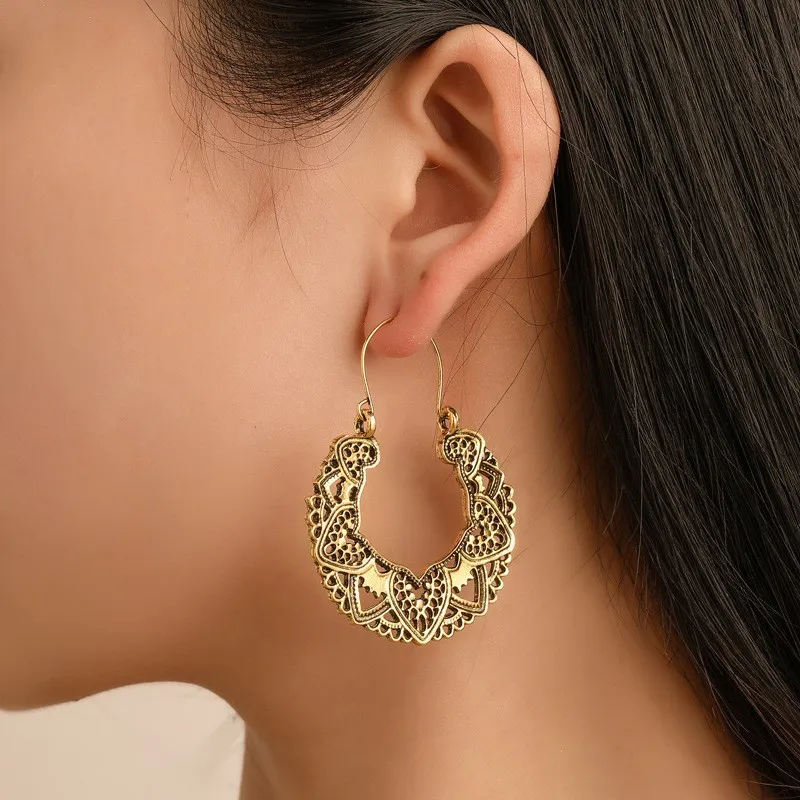
How you clean an earring depends on its surface, not on its price. Solid gold and sterling silver can handle more scrubbing and polishing. Most fashion earrings are different: a base metal such as zinc alloy or brass, finished with a thin gold-tone, silver-tone or antique coating. As of October 2026, 96 of the 103 earring styles in our earring collection are alloy, so the gentle method below is the one we recommend for our own pieces.
| Earring type | How to clean | Avoid |
|---|---|---|
| Gold-tone, silver-tone or plated alloy | Mild soap and water, soft brush, dry right away | Polishing cloths, toothpaste, baking soda, long soaks |
| Antique silver or antique gold finish | Soap and water, light brushing only | Silver dip or polish, which strips the darkened detail |
| Rhinestones, crystals, cubic zirconia | Damp cotton swab around the stones | Soaking, ultrasonic cleaners, alcohol near glued stones |
| Faux pearls, shell, acrylic | Wipe with a soft damp cloth, then dry | Soaking, alcohol, perfume and hairspray |
| Enamel | Damp cloth or swab | Abrasives and stiff brushes |
| Clip-on earrings and ear cuffs | Soap and water on the metal; wipe pads | Bending the clip open while it’s wet |
| Solid sterling silver or solid gold | Soap and water; a silver cloth for tarnish on plain silver | Soaking pieces set with pearls, opal or turquoise |
From Lumi: You won’t find “hypoallergenic” or “waterproof” in this guide. I only write material claims that a product page, a supplier spec or our team can confirm. Most of our earrings are alloy, so the honest advice is about protecting the finish, not promising it lasts forever.
If you don’t know what an earring is made of, treat it as plated. The gentle method is safe for solid metal too, while harsh methods can ruin plating in one go.
Solid sterling silver and solid gold earrings can take a little more. Plain sterling silver can be wiped with a silver polishing cloth when it tarnishes, and solid gold can soak a little longer in soapy water. Real pearls, opal and turquoise are porous or sensitive to water even when set in gold, so wipe those rather than soak them.
How to clean earrings in 5 steps
This method works for studs, hoops, drops and huggies.
- Fill a small bowl with warm water and add one or two drops of mild, unscented dish soap. Hand soap and body wash can leave a film, so dish soap is the better choice.
- Dip the earrings for a minute or two. That is long enough to loosen skin oil, lotion and makeup. Skip this step for earrings with glued stones or faux pearls (see below).
- Brush gently with a soft toothbrush, paying attention to the post, the hook and the gaps around any setting. Brush lightly rather than scrubbing hard.
- Rinse in a second bowl of clean water, not under the open tap. A small back or stone that comes loose stays in the bowl instead of going down the drain.
- Pat dry with a soft, lint-free cloth and let them air-dry on a towel before you store them. We suggest leaving them for about an hour, because moisture left in hinges and clasps can dull the finish over time.
For a quick refresh between washes, wipe each earring with a soft dry cloth after you take it off. This removes most of the skin oil before it builds up.
How to clean earring posts, hooks and backs
Posts, hooks and backs go through or rest against skin, so they collect most of the buildup. They are also the parts people forget.
- Posts and hooks: after washing, wipe the post or hook with an alcohol prep pad and let it dry. Wipe only the metal wire, and keep the alcohol away from the front of the earring if it has glued stones.
- Butterfly (push) backs: these trap residue between the two small loops. Soak them in the soapy water, then poke a toothpick gently through the loops and rinse.
- Silicone and rubber backs: wash them with soap and water. Replace them once they turn cloudy or loose, since worn silicone grips poorly.
- Hoop hinges and huggie clasps: brush along the hinge with the toothbrush and open and close it a few times while rinsing to flush it out.
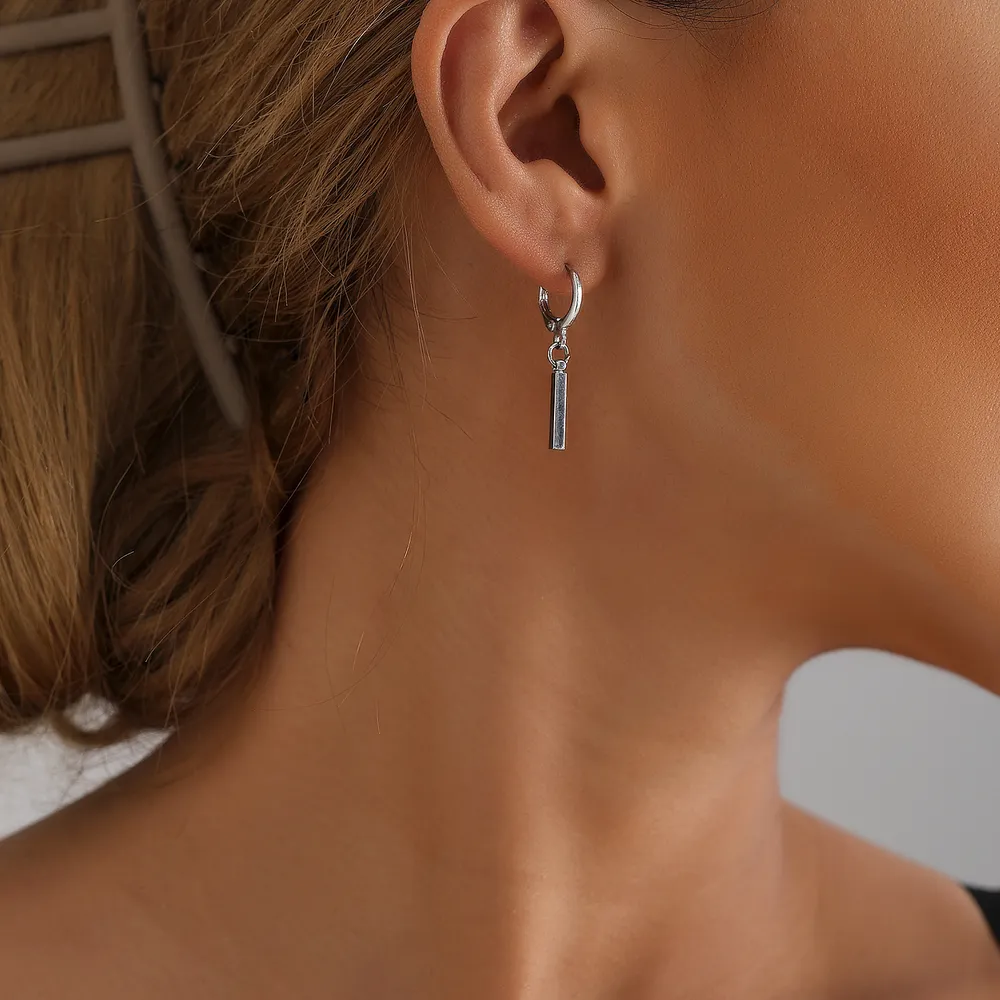
Huggies like these circle charm huggie hoops sit close to the lobe, so they pick up oil and hair product faster than drop earrings. Wiping the hinge after each wear keeps them from feeling sticky. See all our hoop earrings and stud earrings.
Earrings with stones, pearls or enamel
In many fashion earrings, rhinestones, crystals and faux pearls are held in with glue rather than prongs. Water that seeps under a stone weakens the glue and can cloud the foil backing that makes rhinestones sparkle.
For these earrings:
- Don’t soak them. Dip a cotton swab in the soapy water, squeeze it almost dry, and work around each stone.
- Wipe faux pearls with a damp cloth only. The pearly coating sits on the surface of a glass or plastic bead and wears off with rubbing, alcohol or perfume.
- Dry them face down on a towel so water drains out of the settings rather than collecting behind the stones.
- Avoid ultrasonic cleaners. The vibration that cleans solid jewelry can shake glued stones loose.
The same goes for clip-on earrings and ear cuffs with stones. Clean the metal clip with soap and water, but keep the stone side as dry as you can.
What not to use on fashion earrings
Some popular home hacks are sometimes used on solid silver, but they damage plated earrings:
- Toothpaste and baking soda. Both are mild abrasives. They scratch even solid silver, and on a plated earring the layer they remove is the color itself.
- Silver polishing cloths. Polishing cloths are not suitable for plated jewelry because they can strip the plating (Healthline, medically reviewed August 2020).
- Silver dip. Dips are made to dissolve tarnish on solid silver. On antique-finish earrings they remove the darkened detail that gives the design its look.
- Bleach, ammonia and chlorine. Household cleaners and pool water attack base metals and finishes. Take earrings off before cleaning the house or swimming.
- Soaking in alcohol or vinegar. A quick wipe on a post is fine, but a long soak can loosen glue and dull the finish.
- Hot water or a hairdryer. Heat softens glue. Room temperature or warm water and air drying are safer.
Cleaning earrings for new piercings
New piercings need a different routine. Here the goal is a clean, healing piercing, and the earring stays in.
The American Academy of Dermatology advises leaving starter earrings in for six weeks or longer, including at night, because removing them early can let the piercing close. It also recommends washing your hands before touching the area, cleaning the piercing at least once a day with a mild, fragrance-free cleanser and water, and avoiding hydrogen peroxide and antibacterial soaps, which can damage healing skin (American Academy of Dermatology, retrieved October 2026). If the skin becomes sore, red or puffy, or the piercing oozes yellowish fluid and it doesn’t clear up quickly, see a board-certified dermatologist.
Once a piercing has fully healed, follow your piercer’s advice on when to switch to fashion earrings, and use the cleaning routine above.
How to store earrings so they stay bright
A lot of dulling happens between wears. Air and humidity slowly react with metal finishes, and earrings stored loose scratch each other.
- Make sure they are completely dry before you put them away.
- Store each pair separately in a small zip bag or a lined compartment. Squeeze out the air before closing the bag.
- Keep them out of the bathroom. Steam from showers speeds up tarnish.
- Put earrings on last (after perfume, hairspray and lotion) and take them off first.
If your earrings arrived in a small zip bag, keep it. It is the simplest storage there is: a pair kept in its own bag between wears gets less air and fewer scratches than one left on a dresser.
Earring cleaning FAQs
How often should I clean my earrings?
We suggest wiping them with a dry cloth after each wear and washing them with soap and water about every two weeks if you wear them often. Clean the posts and hooks more often, and avoid sharing earrings with other people.
Can I clean earrings with rubbing alcohol?
You can wipe the metal post or hook with an alcohol pad. Don’t soak whole earrings in alcohol, and keep it off glued stones, faux pearls and enamel, where it can loosen the glue or dull the surface.
Why do my earrings turn my ears green or black?
Base metals such as copper react with sweat, skin oils and moisture, and the reaction can leave a green or dark mark on the skin. Keeping earrings clean and dry and taking them off before showering or exercising reduces it. If your skin itches or reacts, stop wearing that pair, and if a rash or swelling doesn’t clear up after that, see a dermatologist.
Can I wear fashion earrings in the shower?
It’s best not to. Soap, shampoo, hot water and steam all wear down plated finishes and glue. Take them off first and put them on once you are dry.
The short routine
Wipe after wearing, wash with mild soap and warm water every couple of weeks, dry fully, and store each pair on its own. Avoid abrasives and long soaks. That routine helps most earrings keep their finish for longer. Browse our earrings by style, or read the jewelry size guide to choose your next piece.