What Is Alloy Jewelry? Metals, Plating and Care Explained

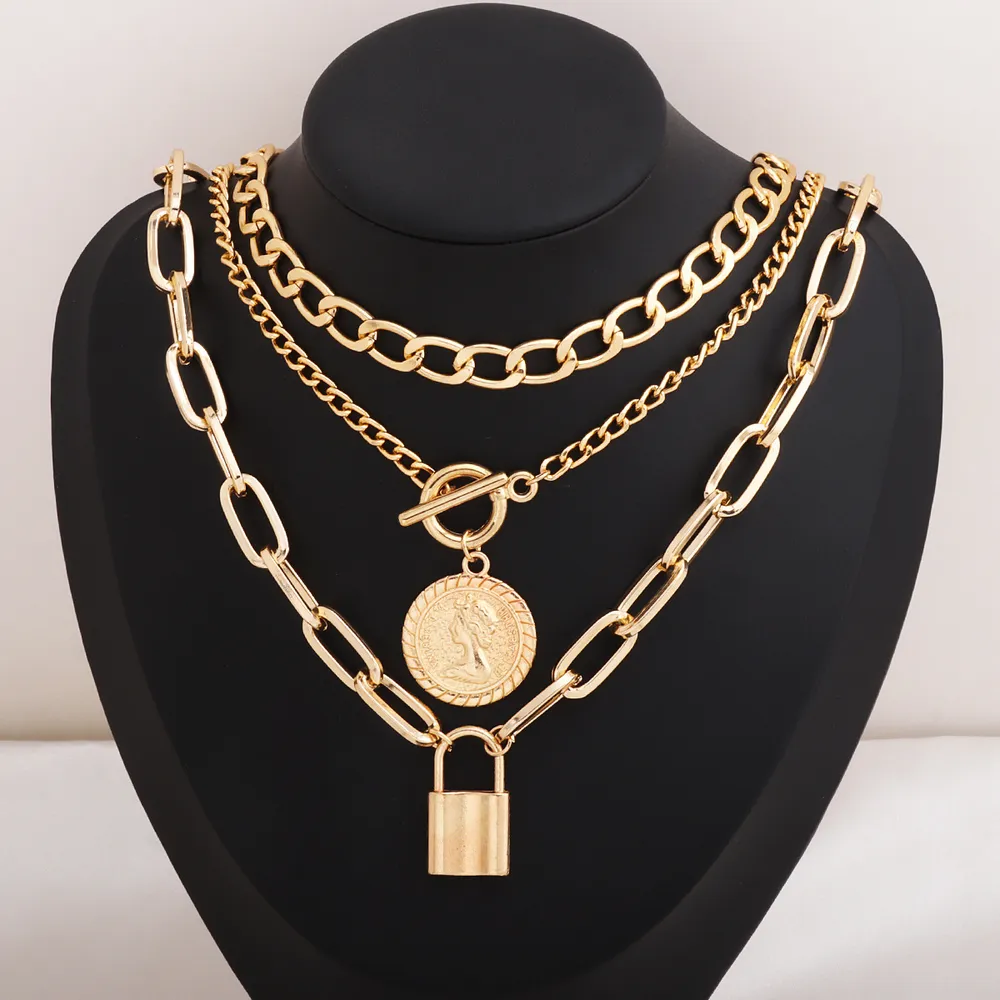
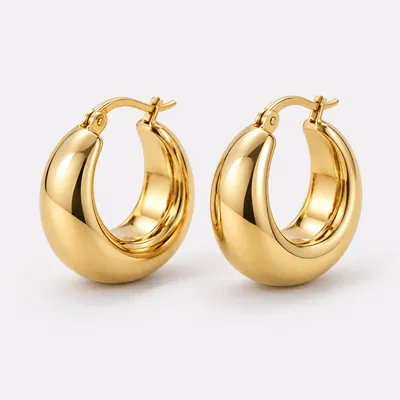
Alloy jewelry is jewelry made from a blend of two or more metals rather than one pure metal. In fashion jewelry, “alloy” almost always means a base-metal mix such as a zinc alloy or a copper alloy like brass, usually finished with a gold-tone, silver-tone or colored coating. It’s popular because it’s affordable and easy to shape into detailed designs, but the finish wears with use, and it isn’t the same as solid gold or sterling silver.
This guide explains what an alloy is, the base alloys most common in fashion jewelry, why they’re used, what the plating on top does, how to care for alloy pieces, and the honest limits to know before you buy.
Key Takeaways
- An alloy is a mix of metals. Solid gold and sterling silver are alloys too, but “alloy jewelry” usually means a base-metal mix like zinc alloy or brass.
- Fashion jewelry uses these alloys because they cost less and cast easily into detailed shapes.
- Most alloy jewelry has a plated or colored finish. The color comes from that thin surface, which wears over time.
- Care is simple: keep it dry, clean it gently with mild soap and water, and store pieces separately.
- If you have a metal allergy, check with a doctor and choose items specifically labeled for sensitive skin. A plain “alloy” label tells you nothing about that.
What is an alloy?
An alloy is a metal made by combining two or more elements, usually two or more metals, to get properties that a single pure metal doesn’t have, such as more hardness, a different color or easier casting.
You already own alloys even if you’ve never bought “alloy jewelry.” Solid 14K gold is gold mixed with other metals for strength. Sterling silver is silver mixed with a small share of other metal, usually copper. So “alloy” alone doesn’t mean cheap. In fashion jewelry listings, though, the word has a specific everyday meaning: the piece is made from an inexpensive base metal alloy, not a precious metal, and its color usually comes from a finish on the surface.
Common alloys used in fashion jewelry
| Alloy | Main metals | Why it’s used in jewelry | What to know |
|---|---|---|---|
| Zinc alloy | Mostly zinc, with small amounts of other metals such as aluminum or copper | Melts at low temperatures and casts into fine detail | Usually plated; bare zinc dulls to grey |
| Brass | Copper and zinc | Warm yellow color, easy to shape and plate | Copper content can darken or leave green marks on skin |
| Other copper alloys | Copper with tin, zinc or other metals | Workable and easy to plate | Darkens with air and moisture if exposed |
| Iron or steel (non-stainless) | Iron with carbon | Strong and low cost for chains and findings | Can rust if the coating is damaged |
| Stainless steel | Iron with chromium and other metals | Resists corrosion | A separate category, usually labeled as such |
Zinc alloy
Zinc alloys are widely used for die casting, where molten metal is forced into a steel mold. The zinc industry’s own technical material explains why: “Because of their low melting temperature, zinc alloys require less energy to melt and cast versus other engineering alloys,” and they can be cast “to closer tolerances than other metals” (IZA Africa, Die Casting Alloys). For jewelry, that means crisp leaves, filigree, coins and charms can be made cheaply and consistently.
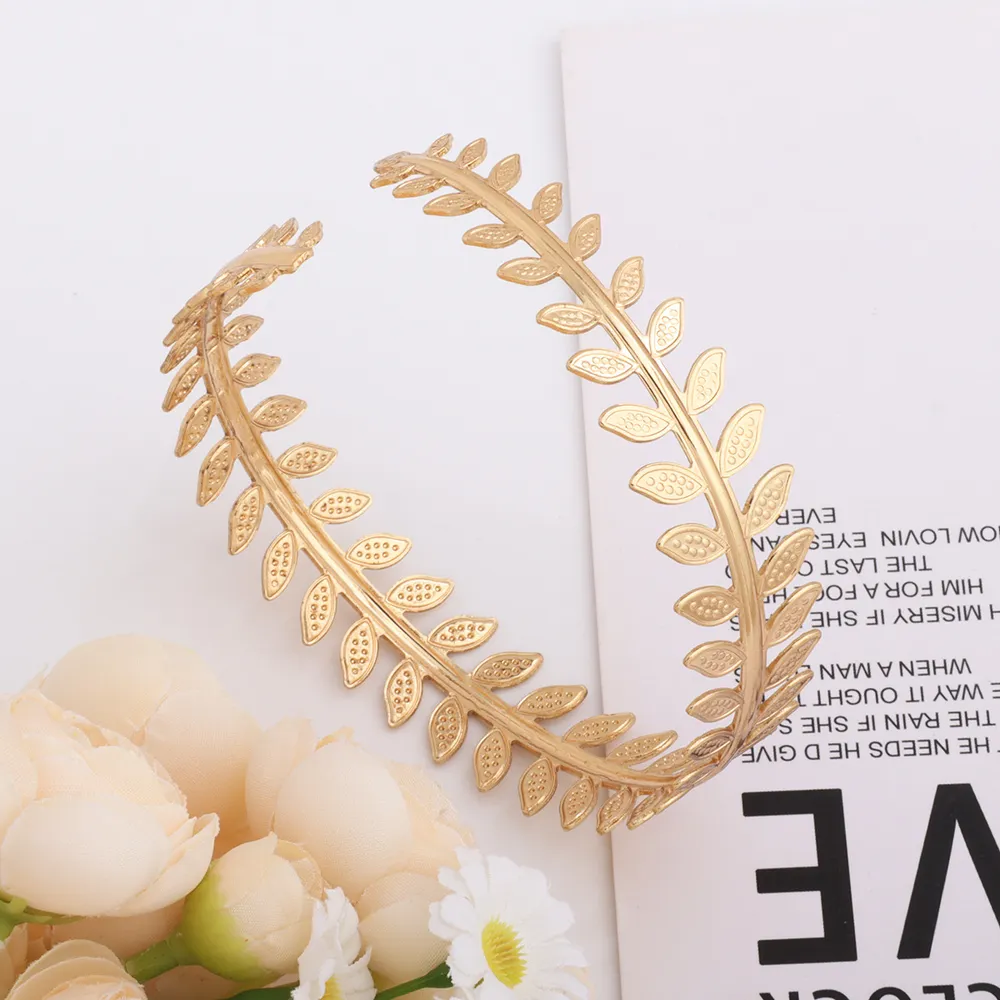
Detailed shapes like the leaves on this baroque laurel leaf arm cuff are exactly what base-metal alloys make affordable.
Brass and copper alloys
Brass is an alloy of copper and zinc, and it has long been used for decorative metalwork thanks to its gold-like color. In jewelry it’s a common base for plating. The copper in brass and other copper alloys can react with moisture, sweat and air, which is why an unplated or worn brass piece can darken or leave a faint green mark on skin.
Why fashion jewelry uses alloys
Three practical reasons:
- Cost. Base metals cost a fraction of gold or silver, so a trend piece can sell for a few dollars instead of hundreds.
- Castability. Alloys like zinc alloy flow well into molds, so detailed designs (coins, padlocks, leaves, letters) are easy to reproduce.
- A good base for finishes. Zinc castings “are readily polished, plated, painted, chromated or anodized,” and can be finished to look like gold, brass or stainless steel (IZA Africa).
That’s why alloy dominates affordable fashion jewelry, including ours. As of October 2026, 932 of the 1,037 products in our catalog list “Alloy” as a material, and 469 of those alloy pieces come in a gold color option. Our listings give the material as “Alloy” and the color as an option such as Gold or Silver; they don’t name the exact alloy or a plating thickness, so we don’t claim one.
Plating over alloy: where the color comes from
Bare base metals aren’t very attractive on their own. The zinc industry notes that a polished zinc surface left unprotected “tarnishes to a dull grey colour,” and lists chromium, nickel, brass, silver and gold among the common decorative electroplate finishes for zinc castings (International Zinc Association, Polishing and Plating). That’s how an alloy piece becomes gold-tone or silver-tone.
How thick is that finish? It varies, and fashion listings rarely say. For reference, the FTC’s jewelry guides allow a piece to be called “gold electroplate” with gold just 0.175 microns thick, and “heavy gold electroplate” starts at 2.5 microns (16 CFR § 23.3). Both are far thinner than a sheet of paper, so the color sits on the surface and wears first where the piece rubs: clasps, ring backs, the inside of bracelets.
For how plated finishes compare with thicker gold layers, see gold plated vs gold filled.
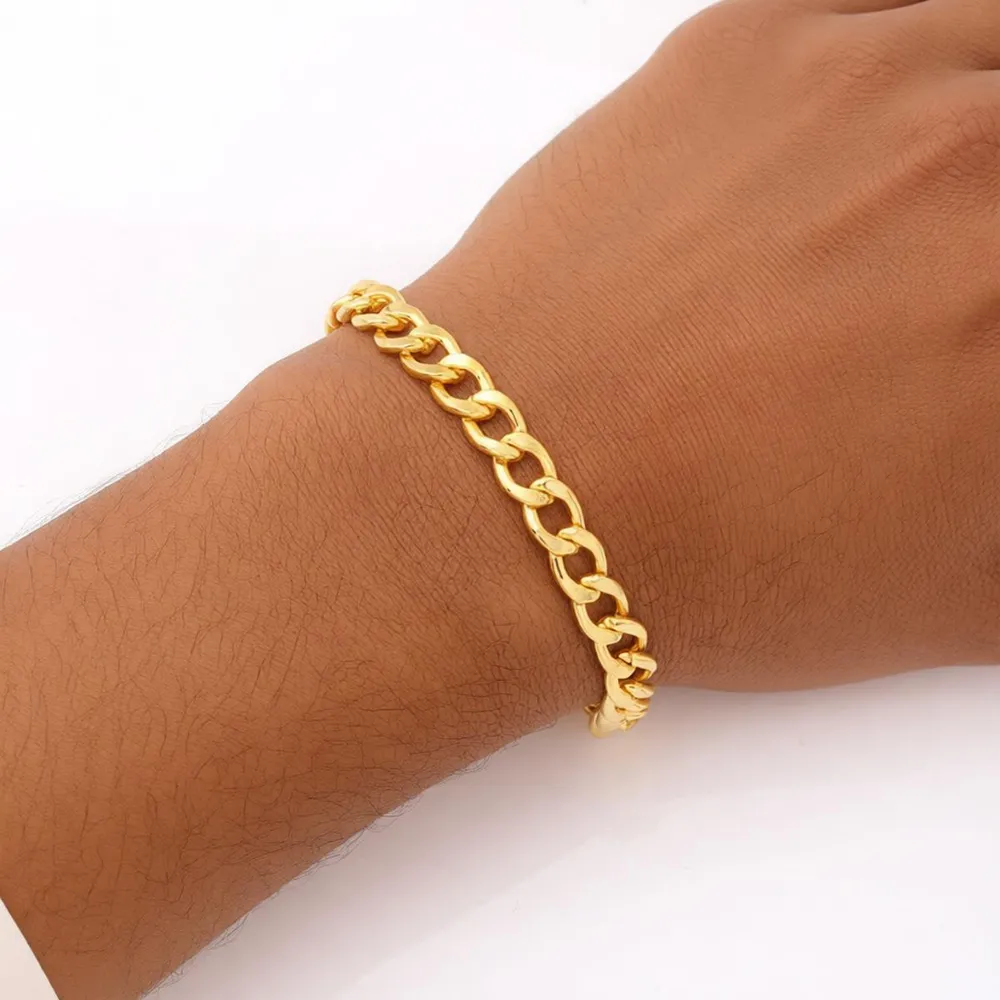
A bracelet like this gold-tone Cuban chain bracelet rubs against skin, sleeves and desks all day, so the inside of the links is where any finish shows wear first.
How to care for alloy jewelry
Because the color is a thin finish over base metal, alloy jewelry lasts longest when you protect the surface:
- Keep it dry. Take it off before showering, swimming, exercising or washing your hands. Water, sweat and chlorine speed up wear and discoloration.
- Put it on last. Apply lotion, perfume, sunscreen and hairspray first and let them dry.
- Clean gently. Lukewarm water with a drop of mild dish soap, a soft cloth, then dry it completely. Skip toothpaste, baking soda, dips and polishing cloths. Our step-by-step guide to how to clean gold plated jewelry covers the full method, including pieces with glued stones.
- Store pieces separately in a small bag or lined box so harder metals don’t scratch the finish.
- Wipe after wearing with a soft dry cloth to remove skin oil before it builds up.
From Lumi: When I write a product listing, I describe the material as our product data states it: “alloy,” with a gold-tone or silver-tone finish. I don’t add words like “hypoallergenic,” “nickel-free” or “tarnish-proof” unless a supplier spec or our team can confirm them, and for our alloy pieces we can’t. I’d rather you know exactly what you’re buying.
The honest limits of alloy jewelry
Alloy jewelry is great value for trends, outfits and gifting, but it helps to know what it isn’t:
- The finish will wear. How fast depends on how often you wear it and how much water, sweat and friction it meets. Pieces worn daily, like rings and bracelets, show it first.
- It can discolor. Once the finish wears through, the base metal can darken. Our guide to whether gold plated jewelry tarnishes explains why and what slows it down.
- It can irritate some sensitive skin. Metal allergies are real. The American Academy of Dermatology notes that “it’s common for a nickel allergy to develop from wearing jewelry containing nickel,” and recommends seeing a board-certified dermatologist if you think you have an allergy (AAD). We don’t list nickel content or make sensitive-skin claims for our alloy pieces. If you have a metal allergy, check with a doctor and choose items specifically labeled for sensitive skin.
- It has little resale or scrap value. Unlike gold or silver, the metal itself isn’t valuable.
Alloy jewelry FAQs
Is alloy jewelry real gold?
No. Alloy jewelry is made from base metals. A gold-tone alloy piece gets its color from a finish on the surface, not from gold throughout. Solid gold is marked by karat, such as 10K, 14K or 18K.
Does alloy jewelry tarnish?
It can. The finish protects the base metal, but as it wears, the alloy underneath can darken or discolor. Keeping pieces dry and storing them separately slows this down.
Can you shower with alloy jewelry?
It’s best not to. Water, soap and shampoo wear down finishes and can reach the base metal. Take alloy jewelry off before showering or swimming.
Is zinc alloy the same as alloy jewelry?
Zinc alloy is one of the most common types. “Alloy jewelry” is a broader term that can also mean brass, other copper alloys or mixed base metals, so a listing that just says “alloy” may not tell you which one.
Can alloy jewelry irritate sensitive skin?
It can for some people. Reactions depend on the metals involved and the person, and a plain “alloy” label doesn’t tell you which metals are in a piece. We make no sensitive-skin claims for our alloy jewelry. If you have a metal allergy, talk to a doctor and look for items specifically labeled for sensitive skin.
The short version
Alloy jewelry is base-metal jewelry, usually zinc alloy or brass, with a gold-tone, silver-tone or colored finish. It’s affordable and lets designers make detailed trend pieces, but the finish wears and it isn’t suited to everyone’s skin. Treat it gently and it will look good for longer. Browse our necklaces, bracelets and bangles and cuffs knowing what to expect from an alloy piece.