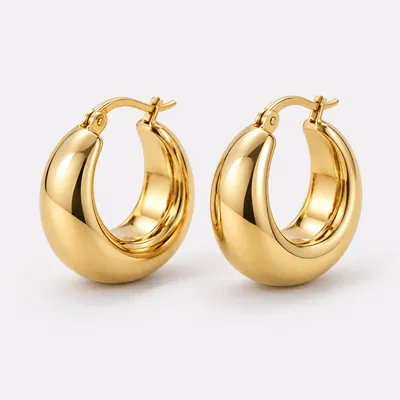
Does Gold Plated Jewelry Tarnish? An Honest Answer

Yes, gold plated jewelry can tarnish, though the gold itself is not what changes. The gold layer is very thin, and as it wears away with friction, sweat, water and chemicals, the base metal underneath (often brass or another copper-containing alloy) is exposed to air and moisture. That base metal is what darkens, dulls or leaves a green mark on your skin.
This guide explains why it happens, how long plating usually lasts, whether you can shower or swim in gold plated jewelry, and why some jewelry turns skin green. For the day-to-day prevention routine, see our guide on how to keep jewelry from tarnishing.
Key Takeaways
- Gold doesn’t tarnish, but plating is thin. Once it wears through, the base metal underneath can oxidize and change color.
- Brilliant Earth puts the usual life of the plating layer at about 6 months to 2 years, depending on wear and care.
- Friction, sweat, water, chlorine, salt water, perfume and lotion all speed up wear.
- Showering and swimming in gold plated jewelry shortens its life. Take it off first.
- A green mark on skin usually comes from copper in the metal reacting with sweat and skin salts. It is generally not harmful and fades within a few days.
Why gold plated jewelry tarnishes
Gold plated jewelry tarnishes because the base metal under the gold reacts with air and moisture once it is exposed. Pure gold doesn’t tarnish, so a fresh, intact plating layer keeps its color. The problem is how thin that layer is.
Under the FTC’s jewelry guides, a piece marked “gold plated” or “gold electroplate” with a karat designation (such as “14K gold plated”) should have gold at least 0.175 microns thick, and “heavy gold electroplate” at least 2.5 microns (16 CFR § 23.3). A micron is a thousandth of a millimeter. Pieces described only as “gold-tone” or “gold color” make no claim about gold content or thickness. Our guide to gold plated vs gold filled explains those labels in detail; for tarnish, the point is simple: a coating that thin wears away with normal use.
What’s under the plating
Brilliant Earth names brass, copper and nickel as the typical base metals under gold plating, and says the exposed base metal oxidizes once the plating wears off (Brilliant Earth, retrieved October 2026). Brass is itself mostly copper, and copper is the metal most likely to darken and to leave a green mark. Much low-cost fashion jewelry is a base-metal alloy under a gold-tone finish, so the same logic applies: the finish protects the alloy only for as long as it lasts.
What wears the plating down
| Factor | What it does | Where you see it first |
|---|---|---|
| Friction | Rubs the gold off the high points | Ring bands, bracelet clasps, chain links |
| Sweat and skin oils | Salts and acids react with the metal and dull the finish | Inside of rings, back of necklaces |
| Water and soap | Moisture speeds up oxidation; soap leaves a film | Everywhere, especially crevices |
| Chlorine and salt water | Harsh on plating and on the base metal | Whole piece |
| Perfume, lotion, hairspray | Leave residue that dulls and eats into the finish | Necklaces and earrings near the skin |
Brilliant Earth lists physical abrasion from daily wear, chemical exposure to skin oils and the environment, and impact on the plated surface as the main causes of wear, and notes that ring bands and bracelet clasps show wear first.
How long does gold plating last?
Gold plating usually lasts somewhere between a few months and a couple of years. Brilliant Earth puts the typical range at about 6 months to 2 years, “depending on wear patterns and care.” That is a wide range because so much depends on how the piece is used:
- Plating thickness. Thicker plating (such as heavy gold electroplate) lasts longer than a flash coat.
- Where you wear it. Rings and bracelets rub against hands, desks and bags all day, so they wear faster than earrings or pendants.
- How often you wear it. A piece worn every day wears faster than one saved for weekends.
- Your skin and habits. More sweat, more water and more product on the skin mean faster wear.
- Storage. Pieces tossed together in a drawer scratch each other; damp rooms speed up oxidation.
No one can promise a specific number of months for a given piece. Treat plated and gold-tone jewelry as something that looks great for a season or two with care, not as an heirloom.
Can you shower with gold plated jewelry?
You shouldn’t shower with gold plated jewelry if you want it to last. Hot water, soap and shampoo leave a film on the surface, and repeated moisture speeds up the oxidation of any base metal the plating no longer covers. Brilliant Earth advises removing gold plated pieces before swimming, showering, exercising, or applying lotions or perfumes, and calls chlorinated and salt water especially harmful.
- Shower or bath: take it off. One accidental shower won’t ruin a piece, but making it a habit will shorten its life.
- Swimming pool or hot tub: take it off. Chlorine is hard on plating and on base metals.
- Beach and sea: take it off. Salt water and sand are both abrasive.
- Gym and workouts: take it off. Sweat and friction together wear plating fastest.
If a piece does get wet, pat it dry with a soft cloth and let it air-dry fully before you put it away. Don’t trust a “waterproof” label on cheap plated jewelry without clear details about the material and plating; ours aren’t sold as waterproof, and we recommend keeping them dry.
Why does jewelry turn green?

Jewelry turns skin green when copper in the metal reacts with sweat, salts and acids on your skin. Science Notes explains that the green discoloration “comes from a reaction between copper in jewelry and salts, acids, and other chemicals,” and lists brass, bronze, sterling silver and 10K or 14K yellow gold among the copper-containing metals that can cause it (Science Notes, updated May 2026).
With plated jewelry, green marks usually appear after the plating has worn thin. Brilliant Earth notes that copper in the base metal can react with skin acids and moisture once the plating wears away, and that this is more likely with high moisture, acidic skin and worn plating.
What to know about green marks:
- They’re generally harmless. According to Science Notes, skin discoloration from jewelry is typically not dangerous or toxic, and it fades on its own within a few days after you stop wearing the piece.
- They show up where moisture collects: under a ring, on the wrist under a bracelet, at the back of the neck under a clasp.
- Black or gray marks are different. They usually come from silver tarnish rubbing off onto the skin.
- Itching, redness or a rash is not just discoloration. That can be a skin reaction to a metal. Stop wearing the piece and speak to a doctor if it doesn’t settle.
To reduce green marks, keep the piece and your skin dry, take it off for workouts and hot weather, and wipe it after wearing. Some people coat the inside of a ring with clear nail polish; Science Notes points out that the coating wears off and needs to be reapplied.
Signs your plating is wearing off
You can usually spot wear before the whole piece changes color:
- Dull patches on the parts that touch the skin or rub against things.
- A color shift at the clasp, the back of a ring or the post of an earring, often coppery, pinkish or gray.
- Dark spots in crevices and links where moisture sits.
- A green or dark mark on the skin where the piece sits.
Cleaning removes oil and residue, and that can bring back some shine, but it can’t put gold back on a piece. Gentle methods matter here: harsh polishing can rub away what plating is left. Our guide on how to clean gold plated jewelry covers safe methods. Once the base metal shows, a jeweler can replate a piece, but for low-cost fashion jewelry that usually costs more than replacing it.
How to slow tarnish down
Prevention is mostly about keeping plated pieces dry, clean and apart:
- Put jewelry on last, after perfume, lotion and hairspray, and take it off first.
- Remove it before showering, swimming, cleaning and working out.
- Wipe it with a soft, dry cloth after each wear.
- Store each piece in a small sealed bag or a lined box, away from the bathroom.
That’s the short version. The full routine, including anti-tarnish strips, silica gel and how plated care differs from sterling silver care, is in our guide on how to keep jewelry from tarnishing. For storage set-ups, see how to store jewelry.
What this means for our jewelry
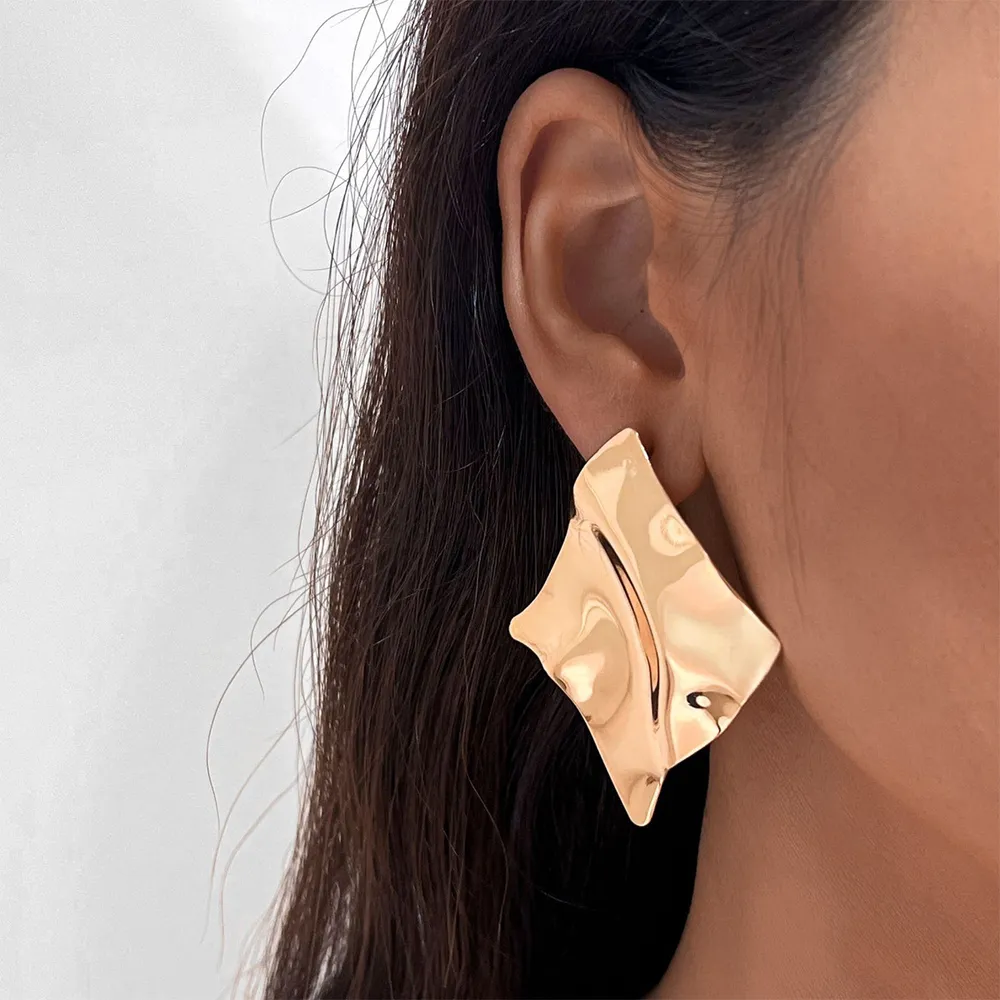
As of October 2026, 932 of our 1,037 products list alloy as a material, many of them in gold-tone or silver-tone options. We don’t sell them as waterproof or tarnish-proof, because a finish on an alloy base wears with use, like any plated jewelry. The crinkled metal stud earrings are a good example: earrings usually face less friction than rings and bracelets, but they still need to stay dry and be stored sealed.
From Lumi: When I write care notes for a listing, I start with the material field. If it says alloy, I don’t write “waterproof,” “won’t tarnish” or “lasts forever.” I write what actually helps: keep it dry, take it off for the shower, store it sealed. Affordable jewelry that looks good for a season is a fair deal when you know that going in.
Frequently asked questions
Does 18K gold plated jewelry tarnish?
It can. “18K” describes the gold in the plating, not the piece. The plating resists tarnish while it lasts, but it is still thin, and once it wears through, the base metal can darken. Thicker plating lasts longer, but no plating is permanent.
Does gold plated jewelry tarnish faster than gold vermeil?
Usually, yes. Vermeil has a thicker gold layer, at least 2.5 microns under the FTC guides (16 CFR § 23.4), over sterling silver, so it generally lasts longer than standard plating.
Can I wear gold plated jewelry every day?
You can, but it will wear faster. Everyday pieces, especially rings and bracelets, rub constantly. Rotating a few pieces and taking them off for water, sweat and sleep helps them last longer.
Can you fix gold plated jewelry that has tarnished?
Light dullness from oil and residue often cleans off gently. If the base metal is showing, cleaning won’t restore the gold; only replating will.
Is it bad if gold plated jewelry turns my skin green?
Usually not. The green mark comes from copper in the metal and typically fades within a few days. If you get itching, redness or a rash, stop wearing the piece and get medical advice.
The bottom line
Gold plated jewelry does tarnish eventually: not the gold, but the base metal that shows once the thin plating wears. How fast depends on friction, water, sweat and chemicals, so keep pieces dry, take them off for the shower and the pool, and store them sealed. With that care, affordable earrings, necklaces and bracelets can look good for a good while, and you’ll know exactly what you’re buying.