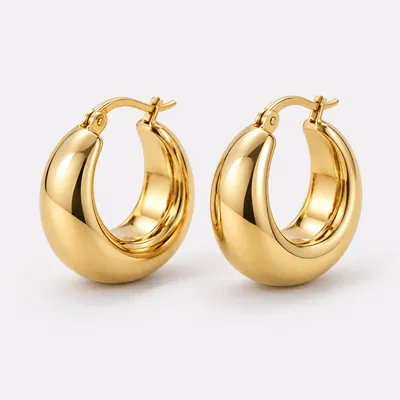
Gold Vermeil vs Gold Plated: What’s the Real Difference?

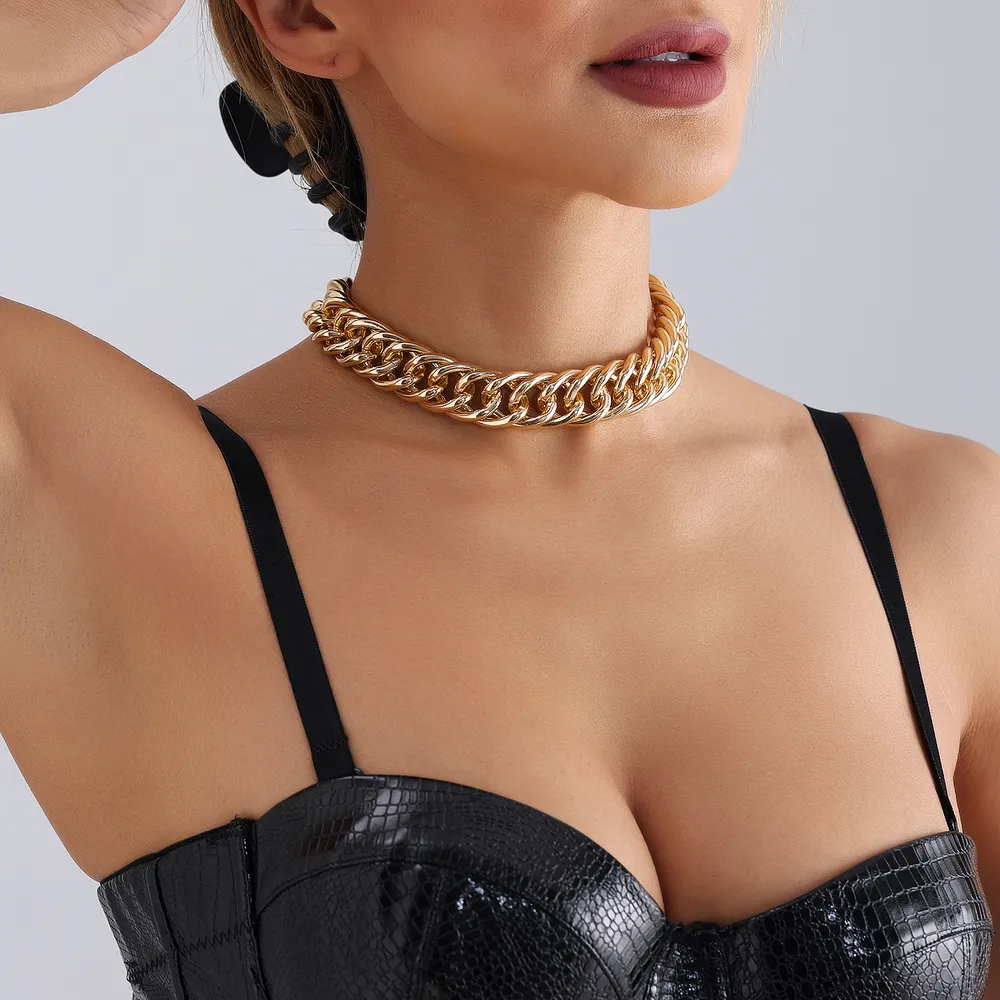
Gold vermeil is gold over sterling silver, with a gold layer of at least 10 karat and at least 2.5 microns thick. Gold plated jewelry is gold over almost any metal, usually brass or copper, and the FTC minimum for a “gold electroplate” label is just 0.175 microns. So vermeil has a precious-metal base and a much thicker gold coat, which means it costs more and keeps its color longer, but both are coatings and both wear eventually.
This guide compares the two using the US Federal Trade Commission’s Jewelry Guides: what each label promises, what sits underneath, how long the gold lasts, what you pay and how to care for it. If you’re also weighing gold filled, see our separate guide to gold plated vs gold filled.
Key Takeaways
- Vermeil: a sterling silver base, coated with gold of at least 10K and at least 2.5 microns thick (FTC, 16 CFR § 23.4).
- Gold electroplate: any base metal, gold of at least 10K and at least 0.175 microns thick (16 CFR § 23.3). That is one-fourteenth of the vermeil minimum.
- Vermeil’s thickness rule matches “heavy gold electroplate.” The difference is the sterling silver base.
- Both are surface coatings. Blue Nile’s guide puts the life of vermeil and plated jewelry at several months to a few years, depending on wear and care.
- Vermeil costs more than plated, less than solid gold. Plated is the budget choice for trends.
Gold vermeil vs gold plated at a glance
| Gold vermeil | Gold plated (gold electroplate) | |
|---|---|---|
| Base metal | Sterling silver (at least 92.5% silver) | Any metal; usually brass or copper |
| Minimum gold karat | 10K | 10K |
| Minimum gold thickness | 2.5 microns of fine gold equivalent | 0.175 microns of fine gold equivalent |
| Typical thickness in practice | At least 2.5 microns, by definition | Often under 0.5 microns (Blue Nile) |
| How it’s made | Gold plated onto sterling silver | Gold electroplated onto the base |
| What shows when the gold wears | Silver | Brass, copper or another base metal |
| Price | Middle | Low |
| Best for | Pieces worn often, gifts | Trends, occasional wear, trying a look |
What is gold vermeil?
Vermeil (said “ver-may”) is a legally defined term in the US. Under the FTC’s Guides for the Jewelry, Precious Metals, and Pewter Industries, a piece may be called vermeil only if it has a base of sterling silver coated or plated on all significant surfaces with gold or gold alloy of at least 10 karat, with “a minimum thickness throughout equivalent to two and one half (2 1/2) microns” of fine gold (16 CFR § 23.4).
Three details in that rule matter when you shop:
- The base must be sterling. “Sterling” itself is defined: at least 925/1,000ths pure silver (16 CFR § 23.5). Gold over brass is not vermeil, however thick.
- The thickness is measured in fine gold. The guides count 1 micron of 12K gold as half a micron of 24K gold (16 CFR § 23.3, footnote 31). By the same arithmetic, an 18K layer (75% gold) needs to be about 3.3 microns thick to reach the 2.5-micron fine-gold minimum, and a 14K layer (58.3% gold) about 4.3 microns.
- A hidden nickel layer must be disclosed. If the silver is first covered with a base metal such as nickel and then gold plated, the seller has to say so (16 CFR § 23.4, Note 1).
One thing most comparisons miss: the 2.5-micron vermeil minimum is the same number the FTC uses for “heavy gold electroplate.” In thickness terms, vermeil is heavy gold plating. What makes it vermeil is the sterling silver underneath.
What is gold plated?
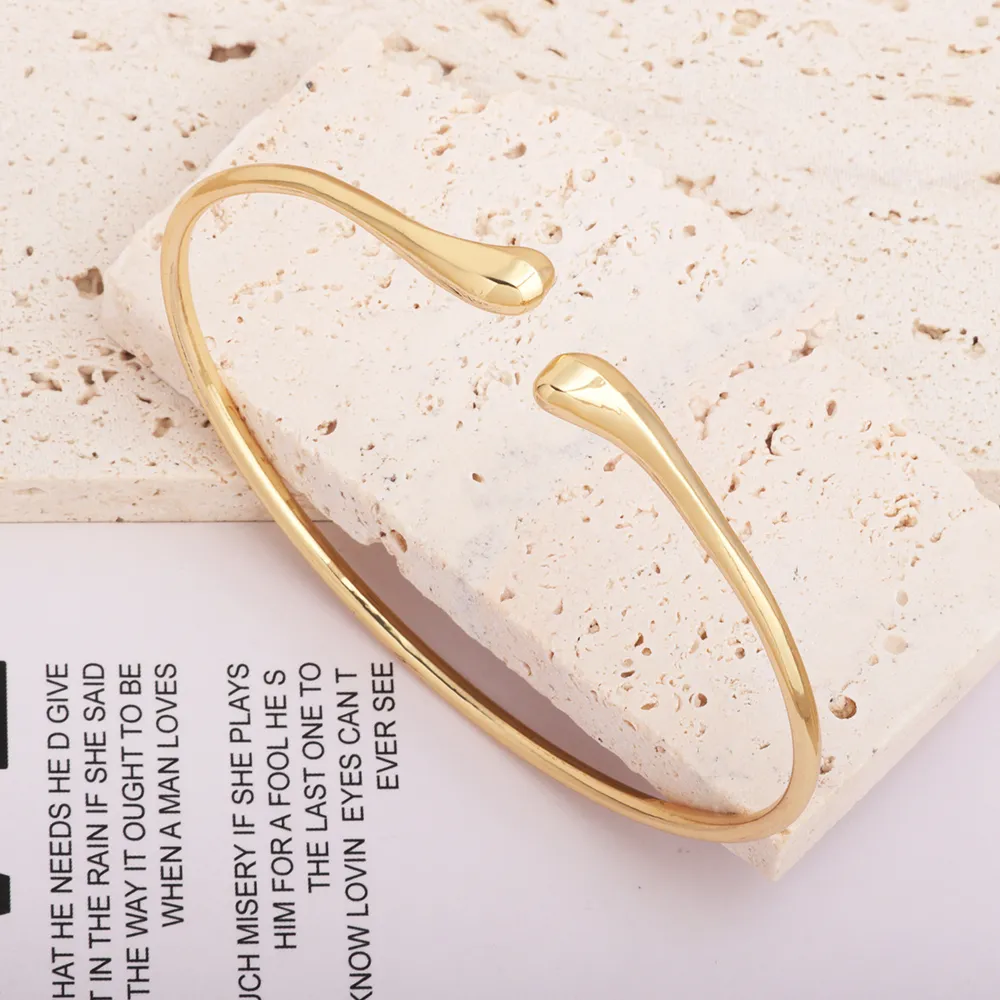
Gold plated jewelry has a thin layer of gold deposited on another metal by electroplating. The FTC sets two thresholds for electroplated gold (16 CFR § 23.3):
- Gold electroplate (or gold plated): gold of at least 10K, at least 0.175 microns thick in fine gold equivalent, with the karat stated before the term, for example “12K G.E.P.”
- Heavy gold electroplate: the same karat rule, at least 2.5 microns thick.
In practice, much plated jewelry sits at the thin end. Blue Nile’s January 2026 guide describes standard gold plated jewelry as typically using “less expensive base metals such as brass or copper,” with gold coatings “often under 0.5 microns” (Blue Nile).
What the label “18K gold plated” does and doesn’t tell you is a topic of its own; see what does 18K gold plated mean. In short, the 18K describes the gold in the coating, not the thickness and not the metal underneath.
The base metal: why it changes everything
The base metal is the biggest practical difference between vermeil and gold plated.
- Value. Sterling silver is a precious metal; brass and copper are not. A worn vermeil piece is still a silver piece.
- What you see when the gold wears. On vermeil, worn spots show silver. On plated brass or copper, they show a yellow or reddish base metal, which can darken over time.
- Skin. Neither label guarantees a piece is gentle on sensitive skin. Blue Nile notes that plated jewelry “may cause skin irritation depending on the base metals used beneath the gold layer, especially if the plating wears down.” With vermeil, ask whether there is a nickel layer between the silver and the gold, since the FTC requires that to be disclosed.
There is one trade-off on vermeil’s side. Blue Nile points out that without a barrier metal between the gold and the silver, silver atoms can gradually diffuse into the gold layer, which can speed up fading (Blue Nile). So a thick gold layer helps, but it is still not permanent.
Durability: how long does each last?
Vermeil generally lasts longer than standard gold plating, because the minimum gold layer is about fourteen times thicker (2.5 microns versus 0.175 microns). Neither is permanent. Blue Nile’s guide says gold vermeil and gold plated jewelry “typically last from several months to a few years, depending on how often they’re worn and how well they’re cared for.”
Wear shows first where metal rubs: ring backs, clasps, the inside of bangles and earring posts. Those spots matter more than the overall thickness number, since the guides allow the coating to vary across a piece as long as every area is thick enough for “reasonable durability” (16 CFR § 23.3, footnote 25).
For more on what happens as the gold wears and the base shows through, see does gold plated jewelry tarnish.
Price: what you pay for each
Vermeil costs more than gold plated jewelry of the same style for two reasons: the base is sterling silver instead of brass, and the gold layer is many times thicker. It still costs far less than solid gold. Gold plated sits at the low end, which is why it dominates trend jewelry.
A quick way to judge value is to compare the price against what the listing actually promises:
- “Vermeil” or “gold vermeil”: you are paying for sterling silver plus at least 2.5 microns of 10K-or-better gold.
- “Gold plated” with a karat and thickness: you know the coating. Compare the micron number.
- “Gold plated” with no thickness: assume a thin coat and price it as fashion jewelry.
- “Gold-tone”: a color only, with no gold claim at all.
How to tell vermeil from gold plated
They can look identical, so use the marks and the listing:
- Look for “925” or “Sterling.” Vermeil sits on sterling silver, so a 925 stamp is a good sign. A karat stamp alone, such as “14K,” should mean solid gold, not vermeil.
- Look for plating marks. “GP,” “GEP” and “HGE” signal electroplate on a base metal (HGE means heavy gold electroplate).
- Read the listing for three things: base metal, gold karat and gold thickness in microns. A genuine vermeil listing can usually name all three.
- Check the price. Vermeil rarely costs the same as plated pieces in the same style. If it does, ask questions.
From Lumi: When I read a listing, I look for the base metal first and the color name last. “Gold” tells me how a piece looks; “sterling silver” or “brass” tells me what I’m actually buying. If a seller can’t name the base metal, I don’t call it vermeil.
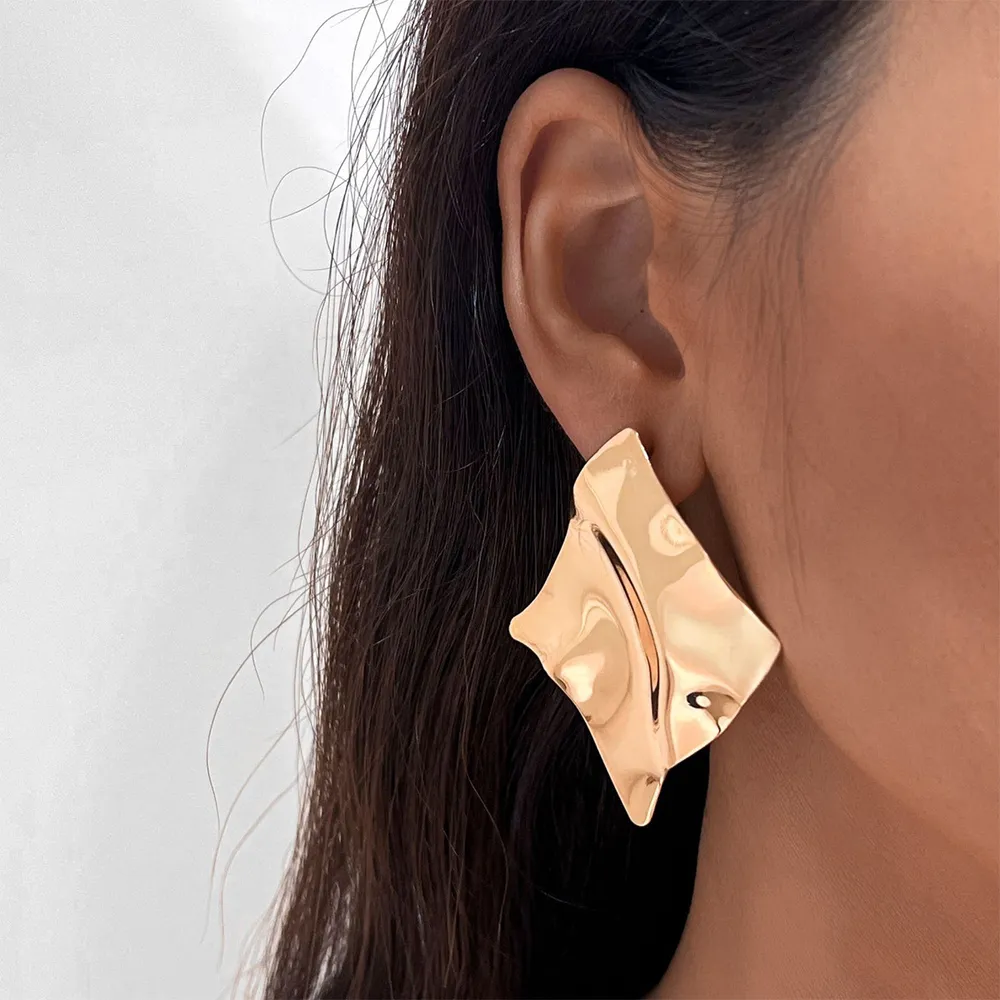
That principle shapes how we describe our own catalog. As of October 2026, 932 of our 1,037 published products list alloy as their material, and none of them is described as vermeil, gold plated or with a gold karat. Where a piece looks gold, like the crinkled metal stud earrings above, we call it gold tone, because that is what we can stand behind.
How to care for vermeil and gold plated jewelry
The care is the same for both, because in both cases the gold is a surface layer. Blue Nile’s care tips for vermeil and plated pieces include:
- Remove jewelry before showering, swimming or exercising.
- Keep lotions, perfumes, sunscreen and soap off the gold.
- Wipe pieces with a soft, non-abrasive cloth after wearing.
- Store each piece separately in a dry pouch or box so they don’t scratch each other.
- Avoid ultrasonic cleaners, steam cleaning and liquid jewelry cleaning solutions.
For a step-by-step routine, see our guide to how to clean earrings, which works for most coated and gold-tone pieces.
Which should you choose?
- Choose vermeil if you want a gold look you’ll wear often, a gift with a precious-metal base, or a piece that still has silver underneath when the gold eventually thins.
- Choose gold plated if you want to try a trend, match an outfit or buy several styles for the price of one vermeil piece, and you’re happy to treat the color as temporary.
- Choose gold-tone fashion jewelry if the look is all you need and price matters most. Treat it with the same care as plated pieces.
- Choose solid gold if you want the color to last indefinitely.
Frequently asked questions
Is gold vermeil better than gold plated?
For longevity and material value, yes. Vermeil has a sterling silver base and a gold layer of at least 2.5 microns, about fourteen times the 0.175-micron minimum for gold electroplate. Gold plated is cheaper and fine for trend or occasional pieces.
Is gold vermeil real gold?
The coating is real gold of at least 10 karat, but the piece is not solid gold. Underneath is sterling silver.
Does gold vermeil tarnish?
The gold itself doesn’t tarnish, but the layer wears over time. Once it thins, the silver underneath can tarnish, and silver can slowly diffuse into the gold if there’s no barrier layer.
Can you shower with gold vermeil?
It’s best not to. Water, soap and friction all wear the gold layer, so take vermeil and plated pieces off before showering or swimming.
Is “gold plated sterling silver” the same as vermeil?
Only if the gold is at least 10K and at least 2.5 microns thick, and any base metal layer between the silver and gold is disclosed. Thinner gold over silver is gold plated silver, not vermeil.
The short version
Vermeil and gold plated are both gold coatings. Vermeil requires a sterling silver base and at least 2.5 microns of 10K-or-better gold; gold plated can go on any metal with as little as 0.175 microns. Pay for vermeil when you want a piece to last; choose plated or gold-tone for trends. Browse our gold-tone chain necklaces, stud earrings and bangles and cuffs knowing exactly what you’re getting: a gold color on an alloy base, priced like fashion jewelry.