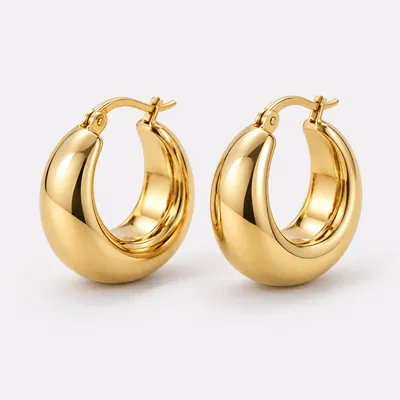
How to Keep Jewelry from Tarnishing: 10 Simple Habits

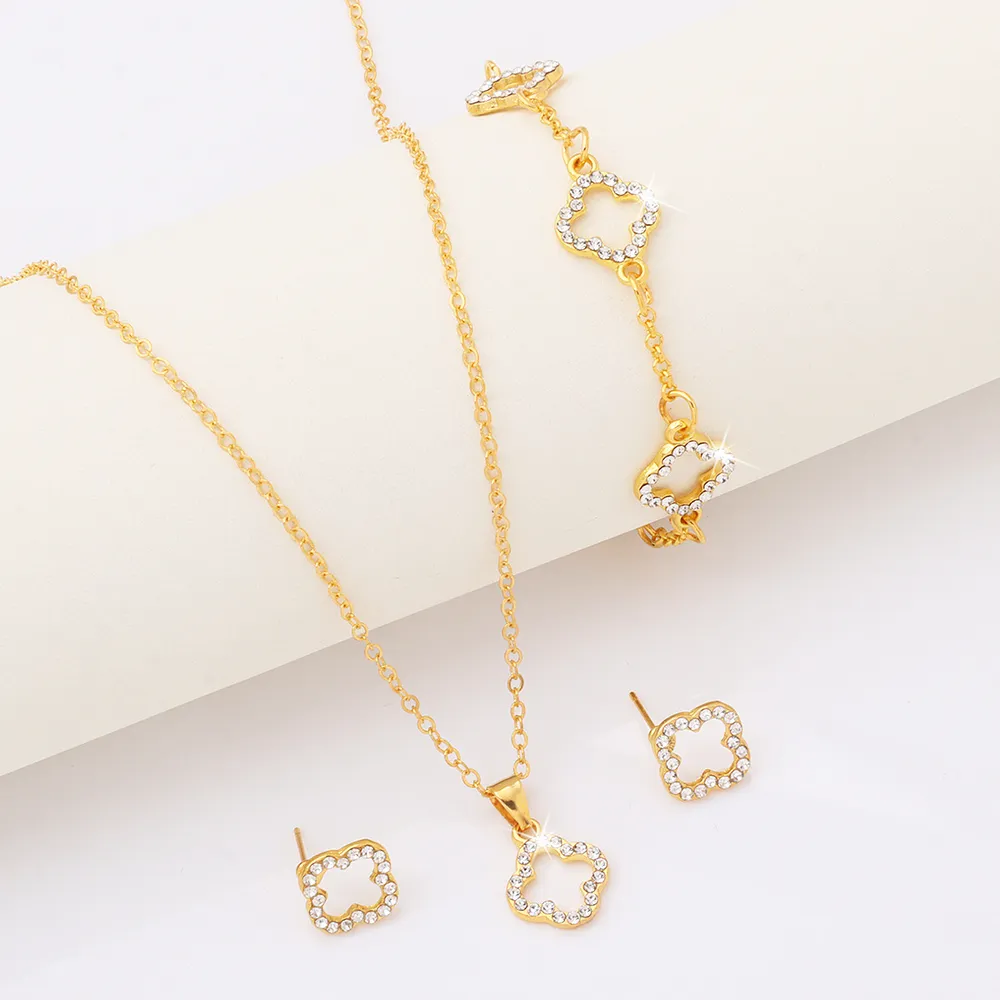
To keep jewelry from tarnishing, keep it dry, keep it away from chemicals, and keep it away from air when you’re not wearing it. In practice that means putting jewelry on last and taking it off first, removing it before water and workouts, wiping it after each wear, and storing each piece in a sealed bag or box with an anti-tarnish strip or silica gel packet.
None of these habits make plated or alloy jewelry tarnish-proof, but together they slow tarnish down a lot. This guide covers the routine step by step and explains how care differs for plated and alloy pieces versus sterling silver. If you want the science of why plated jewelry changes color, read does gold plated jewelry tarnish first.
Key Takeaways
- Tarnish needs moisture, air and chemicals. Cut those down and you slow it down.
- “Last on, first off”: put jewelry on after perfume, lotion and hairspray, and take it off before anything else.
- Wipe each piece with a soft, dry cloth after wearing and let it dry fully before storing.
- Store pieces separately in sealed bags or lined boxes, with anti-tarnish strips or silica gel, away from the bathroom.
- Plated and alloy jewelry needs gentle care because the finish can’t be polished back. Sterling silver tarnish can be polished off.
Why jewelry tarnishes in the first place
Tarnish is a surface reaction between metal and its surroundings. Blue Nile describes it as metals reacting with “air, humidity, sulfur compounds, skin oils or product buildup,” and notes that moisture speeds up the reaction (Blue Nile, June 2026).
The details depend on the metal. Silver reacts mainly with sulfur gases in the air. Plated and alloy jewelry stays protected while the finish is intact, then the base metal starts to oxidize once that finish wears through. Either way, the same few things make tarnish faster: water, sweat, skin products, chemicals and open air. Every habit below targets one of them.
10 habits that keep jewelry from tarnishing
1. Put it on last, take it off first
Get dressed, do your skincare, makeup, perfume and hairspray, let everything dry, and only then put your jewelry on. At the end of the day, take jewelry off before you wash your face or change. Blue Nile calls this the “last on, first off” habit.
2. Keep it dry
Water is the biggest everyday cause of tarnish. Take jewelry off before you shower, bathe, swim, wash dishes or clean. If a piece gets wet anyway, pat it dry with a soft cloth and leave it out to air-dry fully before you put it away.
3. Avoid perfume, lotion and chlorine
Perfume, lotion, sunscreen, hairspray and hand sanitizer leave residue that dulls metal. Chlorine from pools and household cleaners is harder still on plated finishes and base metals. Spray perfume on before your necklace goes on, and take rings off when using cleaning products.
4. Take it off for workouts and sleep
Sweat carries salts and acids, and workouts add friction. Sleeping in jewelry adds hours of rubbing against sheets and skin. Both wear finishes faster, especially on rings and bracelets.
5. Wipe every piece after you wear it
A quick wipe with a soft, dry, lint-free cloth removes sweat, oils and product before they sit on the metal overnight. Blue Nile recommends keeping a cloth on hand to remove fingerprints, oils and light surface tarnish before storing. For plated pieces, use a plain soft cloth and a light touch.
6. Store it in a sealed bag or box
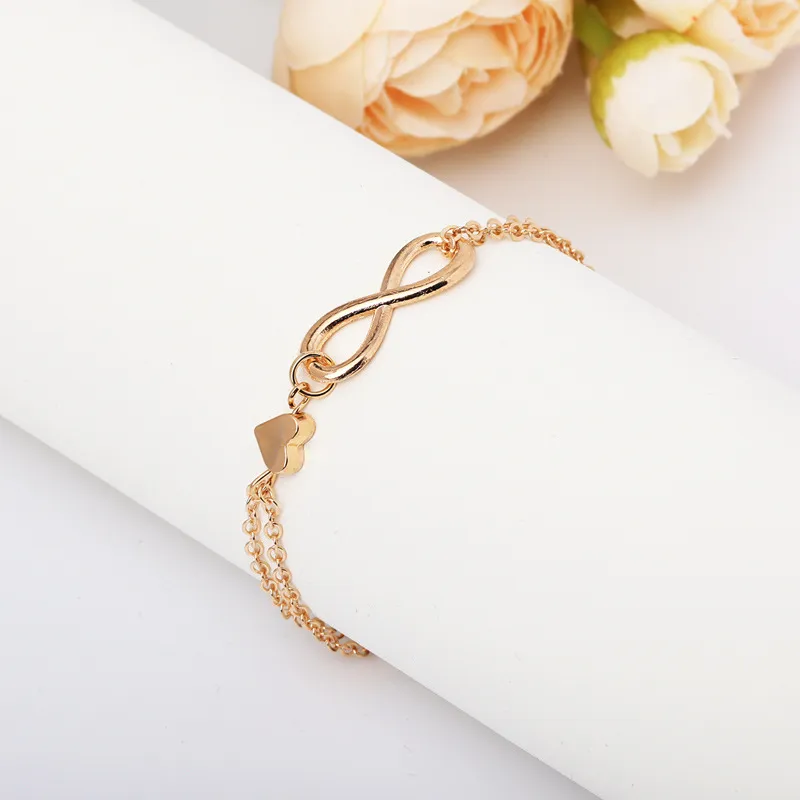
Air is what carries moisture and sulfur gases to your jewelry, so limit how much reaches it. A small zip-top polyethylene bag with the air pressed out works well for one piece. The Canadian Conservation Institute recommends sealing individual silver objects in polyethylene bags as part of its tarnish prevention advice (CCI Notes 9/7). Fine chains, like the one on this infinity heart bracelet, also tangle less when each piece has its own bag.
7. Add anti-tarnish strips or silica gel
Anti-tarnish strips absorb some of the sulfur gases that cause tarnish; silica gel packets absorb moisture. The same CCI note suggests placing small containers of silica gel and activated charcoal inside the bag with silver. Drop a strip or packet into your jewelry box or bags and replace it as the product directions say, because they stop working once they’re used up.
8. Keep pieces apart
Pieces stored loose together scratch each other, and a scratch on a plated surface is a head start for tarnish. Use separate bags, a lined box with compartments, or a tray with dividers. Our guide on how to store jewelry has set-ups for every space and budget.
9. Keep storage out of the bathroom
Bathrooms are the most humid room in most homes. Blue Nile advises against storing jewelry in bathrooms, near windows, or anywhere temperature and moisture shift often. A drawer in a bedroom or closet is a better spot.
10. Rotate your pieces
Wearing the same ring or bracelet every day means constant friction on the same spots. Rotating between a few favorites spreads the wear and gives each piece time off in sealed storage.
Plated and alloy jewelry vs sterling silver: what’s different
The habits above work for all jewelry, but the right level of care depends on the metal.
| Plated or alloy jewelry | Sterling silver | |
|---|---|---|
| What tarnishes | The base metal, once the finish wears through | The silver itself (and the copper in sterling) |
| Main enemies | Water, friction, sweat, chemicals | Sulfur gases in the air, humidity |
| Can tarnish be removed? | Residue, yes; worn-off plating, no | Yes, with a silver polishing cloth |
| Polishing cloth | Soft plain cloth only; no abrasive polish | Silver polishing cloth is fine |
| Chemical dips and ultrasonic cleaners | Avoid | Ask a jeweler first, especially with set stones |
| Best storage | Sealed bag, separate, dry | Sealed bag with anti-tarnish strip, dry |
Plated and alloy jewelry
For plated and alloy pieces, prevention is everything, because there’s no reversing worn plating. Blue Nile warns to be especially careful with gold-plated and silver-plated jewelry, since over-polishing can remove the thin outer layer, and advises against ultrasonic cleaners and chemical dips for plated pieces unless a jeweler confirms they are safe. Clean gently and only when needed; our guide on how to clean gold plated jewelry walks through safe methods.
Sterling silver
Sterling silver tarnishes mainly because it reacts with sulfur gases in the air, such as hydrogen sulfide, and the Canadian Conservation Institute notes that silver tarnishes faster as humidity rises and recommends keeping it below 50% relative humidity (CCI). The same guidance notes that sterling tarnishes faster than pure silver because of its copper content, and that freshly polished silver tarnishes faster than silver that already has a light tarnish layer. The upside: silver tarnish is a surface layer that a polishing cloth can remove, so sealed storage and occasional polishing keep silver looking good for years.
A simple daily routine
- Morning: finish skincare, makeup, perfume and hair first, then put on jewelry.
- During the day: take rings off to wash hands with harsh soap or to clean; take everything off for the gym or a swim.
- Evening: take jewelry off before washing your face, wipe each piece with a soft cloth, and let anything damp air-dry.
- Storage: put each piece in its own sealed bag or compartment with an anti-tarnish strip or silica gel, in a dry room.
- Once a month: check strips and packets and replace them if needed.
Common mistakes that speed up tarnish
- Storing jewelry on a bathroom shelf or by the sink.
- Leaving jewelry loose in a dish or tangled together in one pouch.
- Putting jewelry away still damp after a shower or a hot day.
- Spraying perfume after the necklace is already on.
- Scrubbing plated pieces with toothpaste, baking soda or a silver polish.
- Wearing the same plated ring every day, including in the shower.
From Lumi: When I write care notes for a listing, I check the material field first. Most of our pieces are alloy, so I don’t promise they won’t tarnish. I write the habits that actually make a difference: last on, first off; keep it dry; wipe it; store it sealed. Those four cover most of what you can do.
As of October 2026, 932 of our 1,037 products list alloy as a material. That’s why this routine leans toward plated and alloy care: these finishes can look good for a good while with care, but they aren’t waterproof or tarnish-proof.
Frequently asked questions
Does clear nail polish keep jewelry from tarnishing?
It can help for a while. A thin coat of clear nail polish on the inside of a ring forms a barrier between metal and skin. Science Notes points out that the coating wears off and has to be reapplied (Science Notes). Test it on a hidden spot first, and don’t use it on stones.
Do anti-tarnish strips really work?
They help in a closed space. Strips and anti-tarnish pouches absorb some of the gases that cause tarnish, so they work best inside a sealed bag or a closed box, not in an open dish. Replace them as directed.
Does a zip-top bag prevent tarnish?
It slows tarnish by limiting air and moisture. Press out as much air as you can, make sure the jewelry is completely dry first, and add an anti-tarnish strip or silica gel packet for extra protection.
Can you stop gold plated jewelry from tarnishing completely?
No. Plating is thin and wears with use, and once the base metal shows, it can oxidize. Good habits slow that down; they don’t stop it. Read does gold plated jewelry tarnish for the full explanation.
How often should I clean my jewelry?
Wipe it after every wear, and clean it more thoroughly only when you see buildup. Over-cleaning plated jewelry wears the finish faster.
Start with the four basics
You don’t need special products to keep jewelry from tarnishing: last on, first off; keep it dry; wipe it after wearing; and store it sealed and separate. Add anti-tarnish strips or silica gel for extra protection. Then enjoy your jewelry sets, rings and earrings for as long as possible. For how alloy compares with other metals, see what alloy jewelry is.